
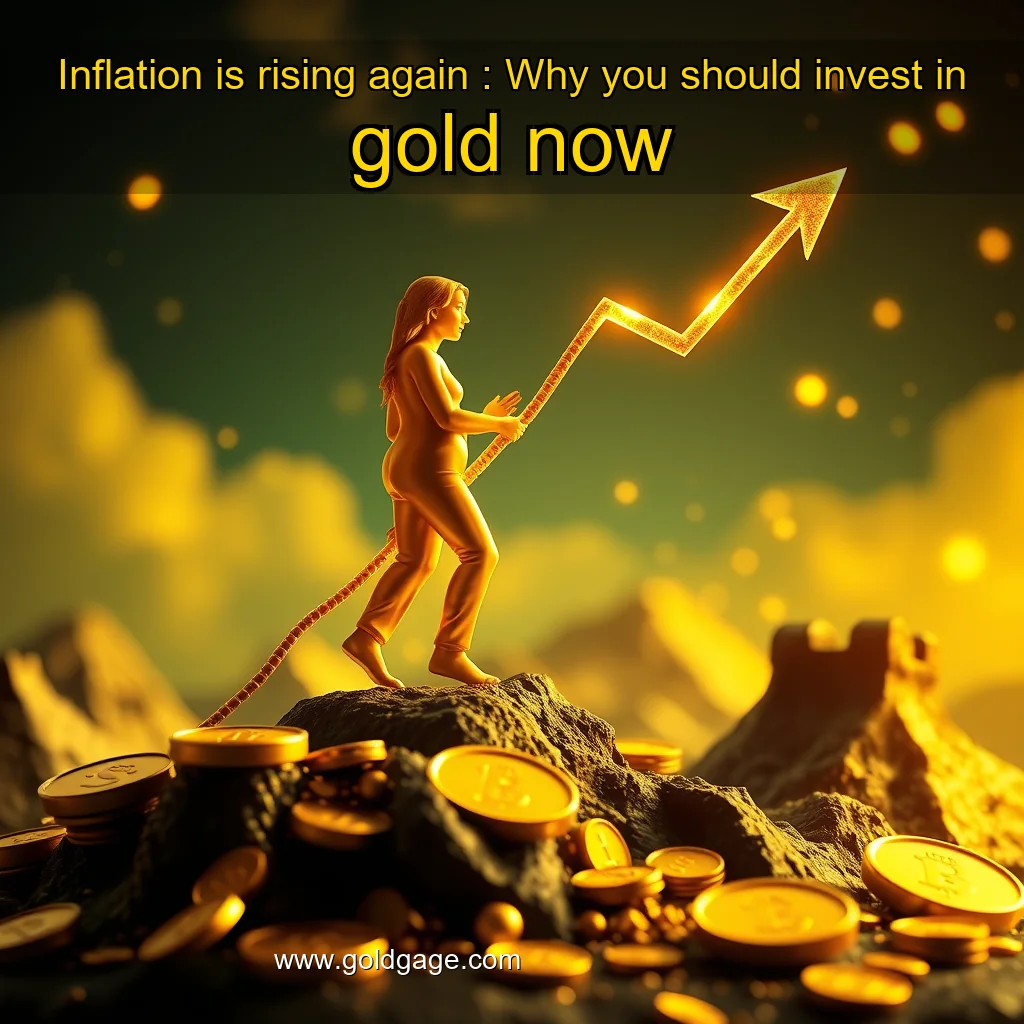
Inflation’s Complex Landscape: A Mixed Bag of Factors and Uncertainty.
The question on everyone’s mind is: what does this trend indicate about the future of inflation?
Understanding the Current State of Inflation
Inflation, a complex and multifaceted concept, has been a topic of discussion among economists and policymakers for decades. At its core, inflation refers to the rate at which prices for goods and services are rising. In the context of the United States, the Consumer Price Index (CPI) is the primary measure of inflation, which tracks the average change in prices of a basket of goods and services. Key indicators of inflation include: + The Consumer Price Index (CPI) + The Personal Consumption Expenditures (PCE) price index + The Producer Price Index (PPI) These indicators provide a comprehensive picture of inflation, allowing policymakers to make informed decisions about monetary policy and economic growth.
The Recent Trend: A Mixed Bag
The recent trend of inflation, marked by consecutive monthly increases, has sparked debate among experts. While the 2.7% annual increase in November is a cause for concern, it is essential to consider the broader context. Factors contributing to the recent trend: + Supply chain disruptions + Rising labor costs + Increased demand for goods and services + Global economic uncertainty These factors have contributed to a complex and dynamic inflation environment, making it challenging to predict future trends.
What Does the Trend Indicate?
## What are the Benefits of Investing in Gold?
Here are some of the gold’s key features that make it an attractive option for investors seeking to hedge against inflation.
What is Gold? Gold is a naturally occurring metal that has been highly valued for its rarity and durability. It is a solid, yellow, and highly malleable metal that is resistant to corrosion and oxidation.
As the value of the dollar decreases, the purchasing power of the gold price increases, making gold a more attractive investment option.
The Value of Gold in a Rising Inflationary Environment
Understanding the Relationship Between Gold and Inflation
Inflation is a complex and multifaceted economic phenomenon that affects various aspects of society, including the value of money, interest rates, and asset prices. While inflation can be beneficial in the short term, as it can stimulate economic growth and increase consumer spending, it can also have negative consequences, such as eroding the purchasing power of money and reducing the value of savings. Gold, as a traditional store of value and hedge against inflation, has long been recognized for its ability to maintain its purchasing power over time.
This is because gold is not tied to any particular economy or currency, making it less susceptible to inflationary pressures.
Gold’s Inflation-Hedging Properties
Gold has long been recognized as a safe-haven asset, and its ability to hedge against inflation is a significant aspect of its appeal. When inflation rises, the purchasing power of traditional investments such as bonds and stocks decreases. However, gold’s value tends to increase, providing a hedge against inflation.
The Rise of Gold as a Safe-Haven Asset
Gold has long been considered a reliable store of value and a safe-haven asset. Its value tends to increase during times of economic uncertainty, making it an attractive option for investors seeking to protect their wealth.
The Allure of Gold: Understanding its Value and Investment Potential
Gold has long been a coveted metal, prized for its rarity, durability, and versatility. For centuries, it has been a symbol of wealth, power, and status. But what drives the value of gold, and what makes it an attractive investment option for many individuals and institutions?
The Value of Gold: A Complex Mix of Supply and Demand
Gold’s value is not solely determined by its intrinsic worth as a metal.
By adding gold to your portfolio, you can not only safeguard your wealth against rising inflation but also bolster your financial resilience in an unpredictable economic landscape. As inflation ticks upward again, now may be the ideal time to consider this time-tested investment. Ultimately, though, the decision to invest in gold depends on your financial goals, risk appetite and portfolio strategy. Gold’s ability to hedge against inflation, provide diversification and maintain value during economic uncertainties makes it a strong contender for inclusion in many investment plans. However, it’s essential to approach gold investing with a clear understanding of its benefits and limitations.


